


Steps to Finding Inner Peace and Balance: Achieving Emotional Peace
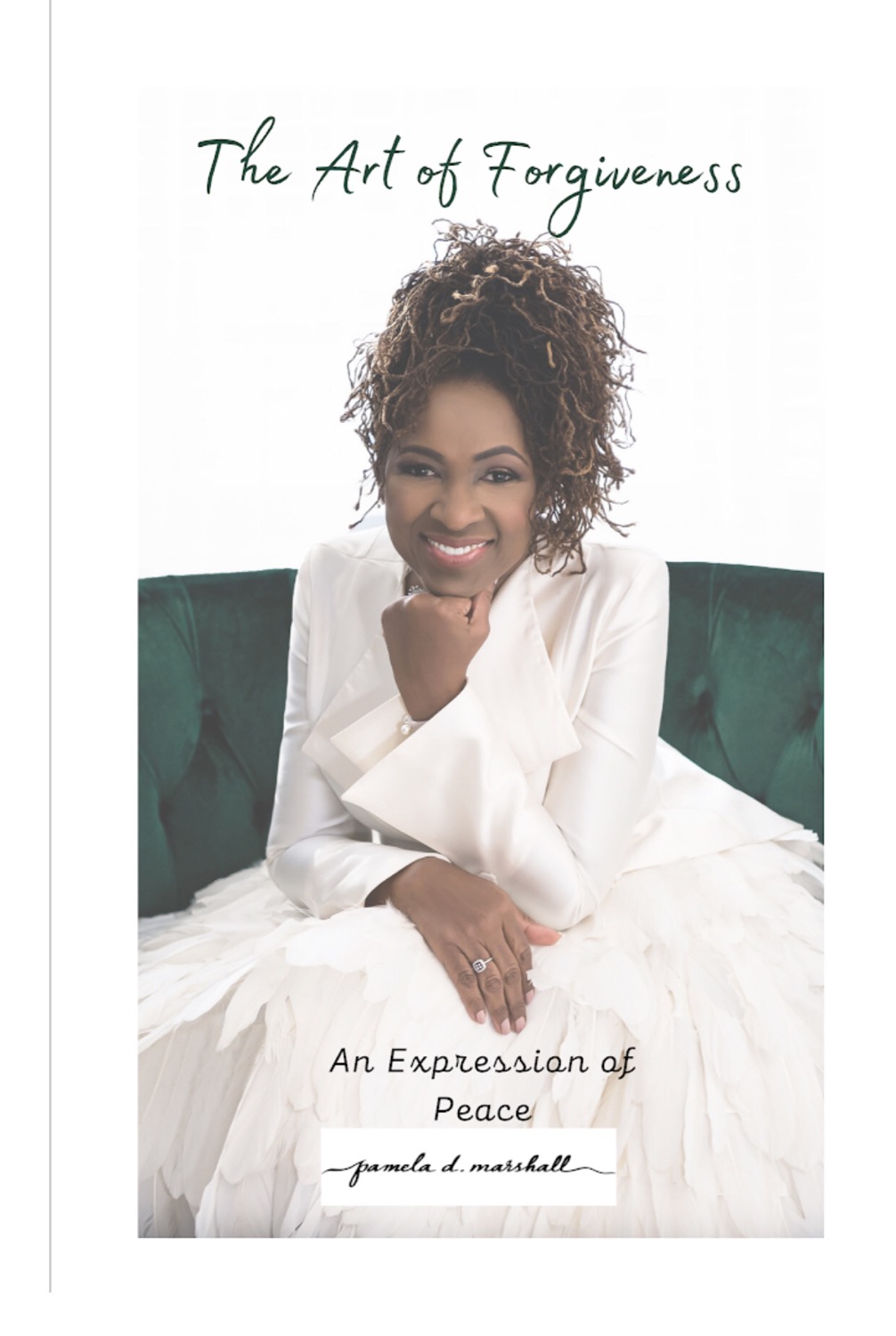
I know the journey to emotional peace is not a straight path. It twists, turns, and sometimes feels like a maze with no exit. But I promise you, it is possible. I have walked this path myself, and I want to share the steps that helped me find balance and calm in the chaos. This is about more than just quiet moments; it’s about transforming your entire life.
Understanding What Achieving Emotional Peace Really Means
Emotional peace is not about avoiding problems or pretending everything is perfect. It’s about accepting life as it is and finding calm within yourself despite the storms. I learned that peace comes from inside, not from external circumstances. When I stopped chasing peace outside of myself, I started to feel it grow within.
To achieve emotional peace, I had to:
Recognize my emotions without judgment.
Let go of grudges and resentment.
Create space for self-care and reflection.
Build habits that support mental and emotional well-being.
This is not a quick fix. It’s a daily practice. But every step forward is worth it.
Step 1: Embrace Forgiveness to Release Emotional Burdens
Forgiveness was the hardest step for me. I held onto pain and resentment like they were shields protecting me. But those shields only weighed me down. When I finally chose to forgive—not for others, but for myself—I felt a weight lift.
Forgiveness does not mean forgetting or excusing hurtful actions. It means freeing yourself from the chains of bitterness. I started small, forgiving minor offenses, then worked up to deeper wounds. Each act of forgiveness brought me closer to peace.
Try this:
Write down who or what you need to forgive.
Reflect on how holding onto anger affects you.
Say a simple forgiveness statement aloud or in your journal.
Repeat this process regularly.
Forgiveness is a gift you give yourself.

Step 2: Cultivate Mindfulness and Presence
I used to live in my head, replaying past mistakes or worrying about the future. Mindfulness taught me to live in the now. When I focus on the present moment, I stop feeding anxiety and regret.
Start with simple mindfulness exercises:
Pay attention to your breath for a few minutes each day.
Notice the sensations when you eat or walk.
Observe your thoughts without trying to change them.
Mindfulness is like a muscle. The more you practice, the stronger your ability to stay grounded becomes. This presence creates a foundation for emotional balance.
Step 3: Create Healthy Boundaries and Prioritize Self-Care
I learned that saying “no” is not selfish—it’s necessary. Setting boundaries protects your energy and mental health. When I respected my limits, I felt more in control and less overwhelmed.
Here’s how to start:
Identify situations or people that drain you.
Practice saying “no” or “not right now” without guilt.
Schedule regular time for activities that nourish you—reading, walking, meditating, or simply resting.
Self-care is not indulgence; it’s survival. When you care for yourself, you build resilience and inner peace.

Step 4: Connect with Your Spirituality and Inner Wisdom
For me, spirituality became a source of strength and guidance. It’s not about religion or dogma but about connecting with something greater than myself. This connection helped me find meaning in pain and hope in struggle.
You can explore spirituality in many ways:
Meditation or prayer.
Reading spiritual or inspirational texts.
Spending time in nature.
Journaling your thoughts and feelings.
Listening to your inner wisdom helps you navigate life’s challenges with grace and calm.
Step 5: Practice Gratitude and Positive Affirmations Daily
Gratitude shifted my perspective from scarcity to abundance. When I focused on what I had instead of what I lacked, my heart softened. Positive affirmations rewired my thinking from doubt to confidence.
Try these daily habits:
Write down three things you are grateful for each morning.
Repeat affirmations like “I am worthy of peace” or “I choose calm today.”
Reflect on positive moments before bed.
These small practices build a mindset that supports lasting emotional peace.
Taking the First Step Today
I want you to know that finding inner peace is within your reach. It starts with one small step—one moment of choosing calm over chaos. You don’t have to do it perfectly. You just have to start.
Remember, this journey is yours. Embrace it with patience and kindness. Every step you take brings you closer to the balance and peace you deserve.
You are not alone. I am walking this path with you.
By embracing forgiveness, practicing mindfulness, setting boundaries, connecting spiritually, and cultivating gratitude, you can transform your life. These steps are not just ideas—they are tools I have used to heal and grow. Now, it’s your turn to take them and create your own path to emotional peace.


Comments